History
Before BLANC BLANC BLANC, there was white.
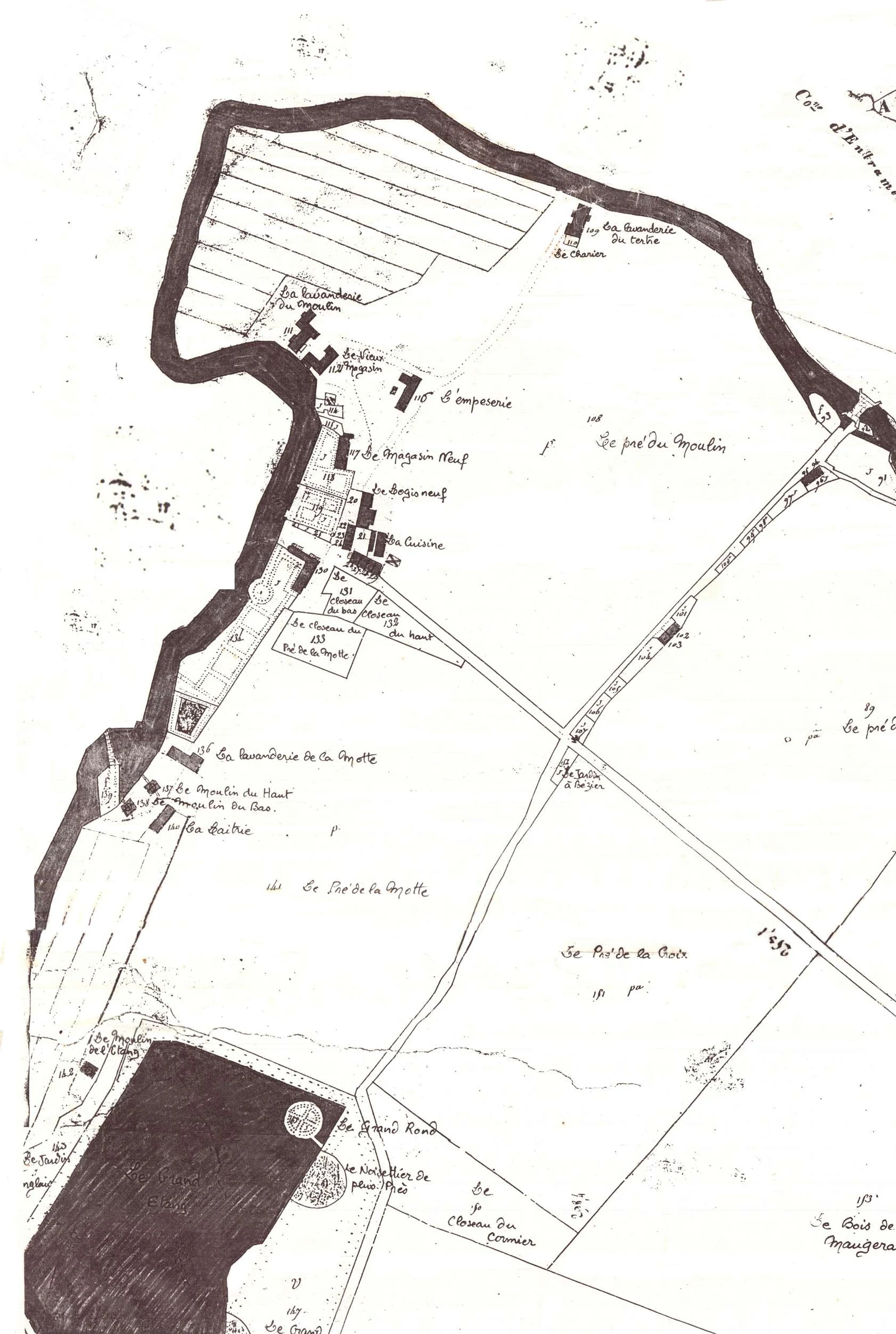
In 1768, a 22-year-old entrepreneur named Jean-René-Pierre Leclerc de la Jubertière looked at the green meadows of La Mazure and saw the future. Linen was France’s global commodity, and the bleachers of nearby Laval couldn’t keep up with demand. So he built something bigger: a sprawling bleaching works stretching more than 3,000 feet along the river Jouanne, covering nearly 250 acres, with some 300 workers at its height.
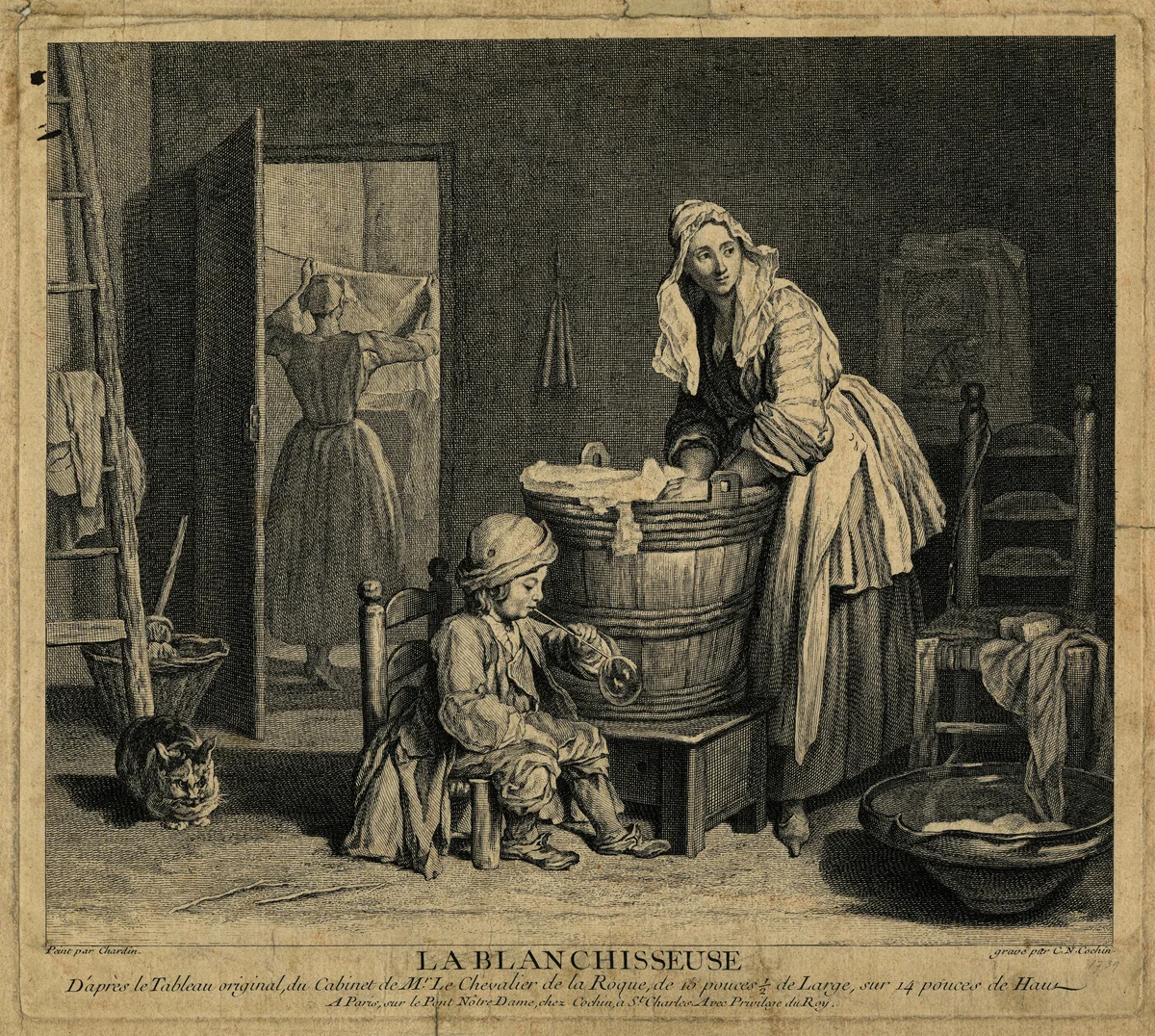
The process was an obsession. Each length of cloth, around 450 feet long, was soaked, beaten, boiled in lye, and laid out across the sunlit fields for weeks. This was repeated up to fifteen times, until it reached a perfect, luminous white. Then came a touch of blue to make it glow, and a final polish between heavy rollers.
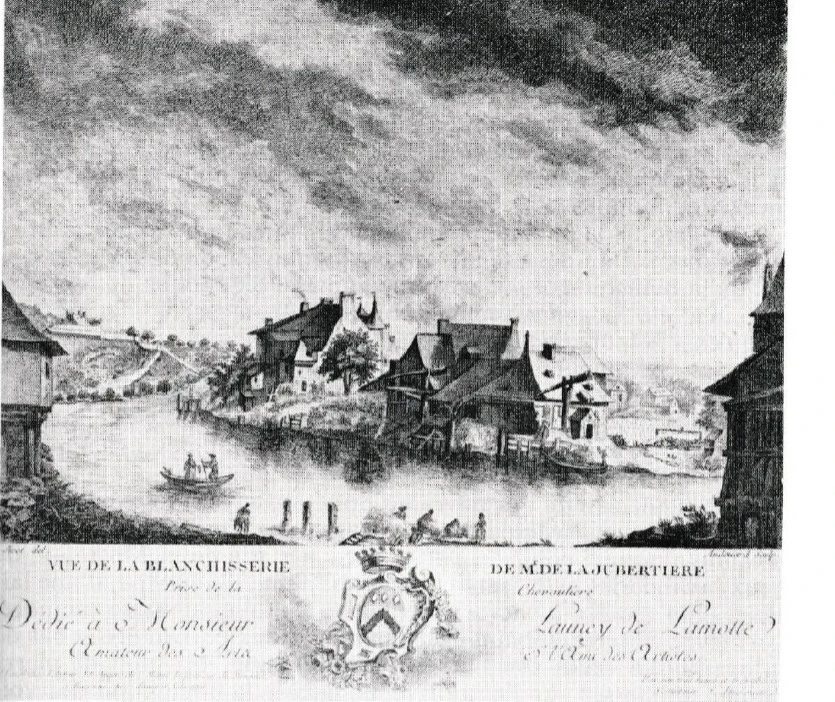
Leclerc was a man of the Enlightenment. He kept daily logs of weather and labor, ran relentless experiments, and was among the first to harness water-powered mills and to swap milk for acid in bleaching. He even adopted a furnace designed by Rumford, the American-born physicist. He wasn’t shy about critiquing the great Encyclopédie either, noting that its authors had never actually done the work.
He was ahead of his time as a leader, too. His workers were fed three meals a day, and he believed the best bosses persuade rather than command, and sometimes roll up their sleeves and work alongside their teams.
By 1810, revolution, war, and the rise of cotton had ended the era of Laval linen. The machines fell silent. Today, only a few stones remain.
But the meadows are still here. So is the idea: that care, craft, and curiosity can turn something raw into something radiant.
BLANC BLANC BLANC carries that story forward.
Come and see
The lawns, the river and the buildings are still here. Tell us about your group and we will welcome you.